Babywearing Basics, Practical Tips, Psychology & Bonding, Uncategorized
Sibling Jealousy After the Arrival of a New Baby
Sibling Jealousy After the Arrival of a New Baby: What’s Normal and How We Can Help
The arrival of a new baby is a huge change, not only for the parents but also for the older child.
Many parents worry when they notice their first child’s behavior changing after the baby is born.
“He keeps asking to be held all the time.”
“She has become much more whiny.”
“He tells me to put the baby down.”
“She had already given up her pacifier, and now she wants it again.”
The first thought is often:
“Are we doing something wrong?”
Usually, no.
Jealousy Is More Common Than We Think
Jealousy between siblings is not a sign of parenting failure.
To a large extent, it is a normal response to a major life change.
Until now, the older child had exclusive access to their parents, especially their mother. Suddenly, a new family member is demanding a huge portion of their parents’ time, energy, and attention.
That can create insecurity.
The Child Usually Isn’t Jealous of the Baby

This may sound strange, but it is very important.
Often, the older child is not actually jealous of the baby itself.
They are jealous of what the baby represents.
That may be:
- mom’s time
- dad’s attention
- the feeling of no longer being “the only one”
In other words, the message is often not:
“I don’t want the baby.”
The real message is:
“I’m afraid I’m losing you.”
And that changes the way we view the behavior.
Jealousy Doesn’t Always Look Like Aggression
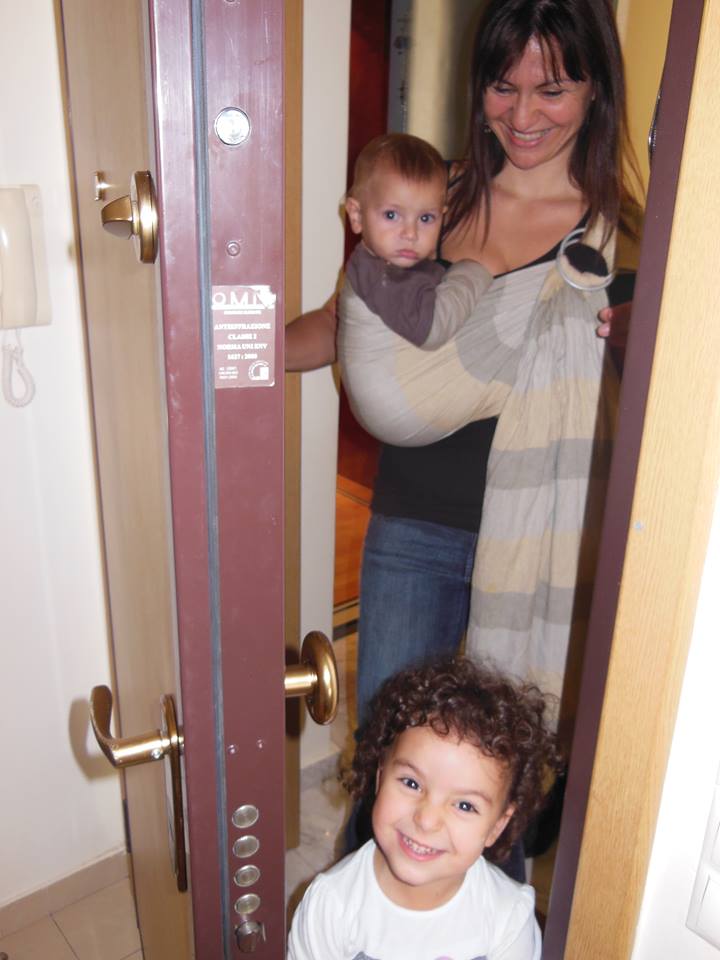
When we hear the term sibling rivalry, we usually imagine hitting, pushing, or anger directed at the baby.
These behaviors can happen.
But much more often, jealousy shows up in subtler ways.
For example, the child may:
- ask for more cuddles
- insist that you feed them
- refuse to let you even go to the bathroom alone
- start talking like a baby
- ask for a pacifier or bottle again
- become more whiny or clingy
This does not mean the child is “regressing” in a negative way.
Often, it simply means they are looking for safety and reassurance.
Why Do We See Regression?
Many parents get worried when their older child suddenly starts acting younger.
But if we look at it from the child’s perspective, it makes sense.
The child sees that the baby:
- is constantly held
- nurses or feeds frequently
- falls asleep with help
- receives a lot of care
Their brain may come to the following conclusion:
“If being little gets so much attention, maybe I need to be little too.”
This is not manipulation.
It is a strategy for connection.
Does Age Matter?
Yes.
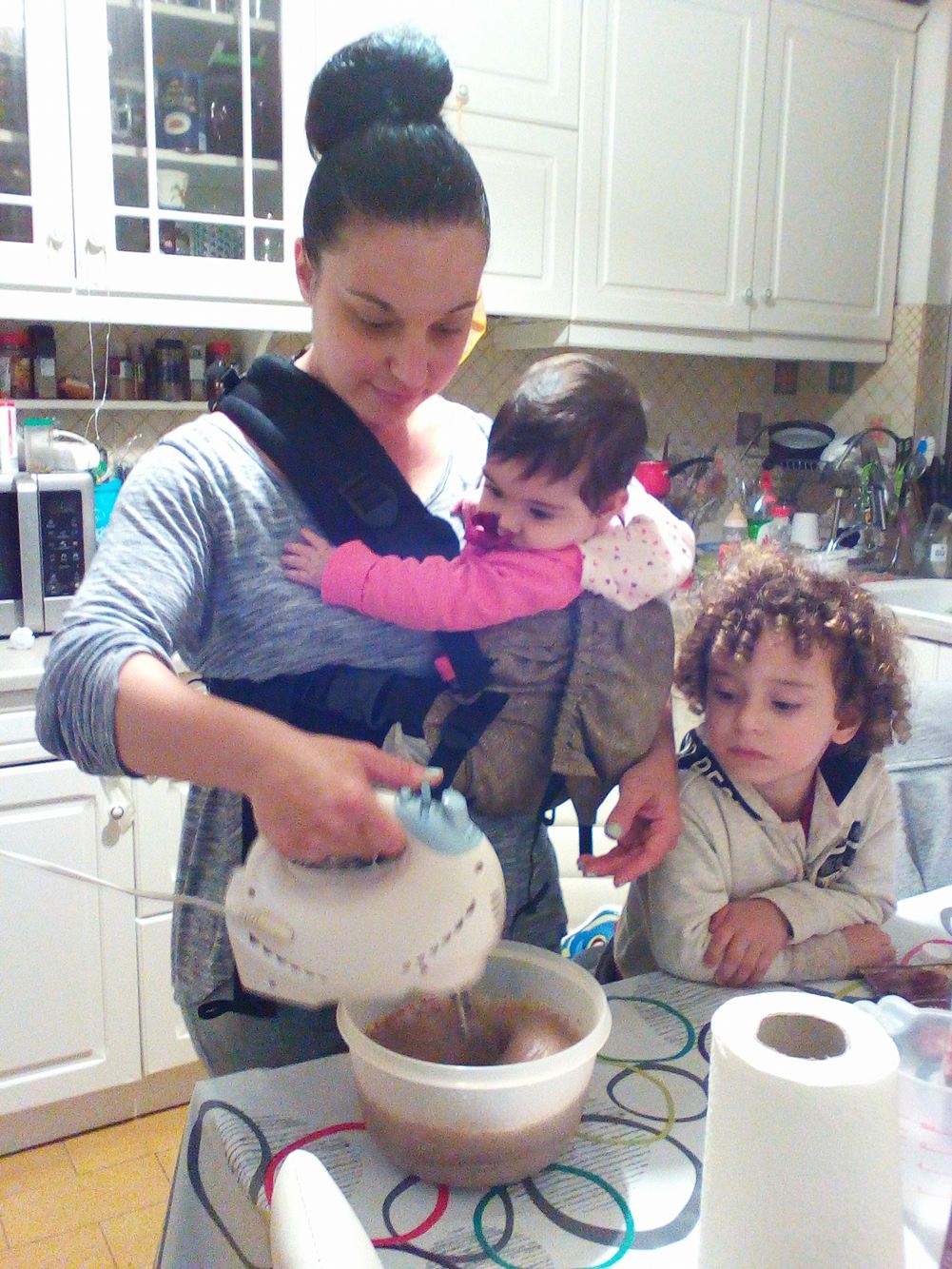
In general, the younger the first child is, the more challenging this transition may be.
A 2-year-old toddler has:
- limited emotional regulation
- a strong attachment need
- little understanding of time and waiting
By contrast, a 6- or 7-year-old usually has a better understanding of what is happening.
That doesn’t mean older children do not feel jealous.
They simply tend to express it differently.
Not All Children React the Same Way
This is important to remember.
Some children show jealousy from the very first week.
Others seem completely fine at first and struggle later.
Many parents say:
“Everything was perfect at the beginning. Then, once the baby started crawling and grabbing toys, things got difficult.”
That makes perfect sense.
As the baby becomes more present and interactive, the family dynamic changes again.
What Actually Helps?
The goal is not to eliminate every trace of jealousy.
The goal is to help the child feel safe.
Here are some things that can help:
 1. Acknowledge the Emotion
Instead of saying:
“Don’t be jealous.”
Try something more validating:
“I can see that you miss me.”
2. One-on-One Time
Even 10 minutes of exclusive connection can make a big difference.
3. Physical Connection
Cuddles, touch, floor play.
The nervous system regulates through connection.
4. Practical Support in Everyday Life
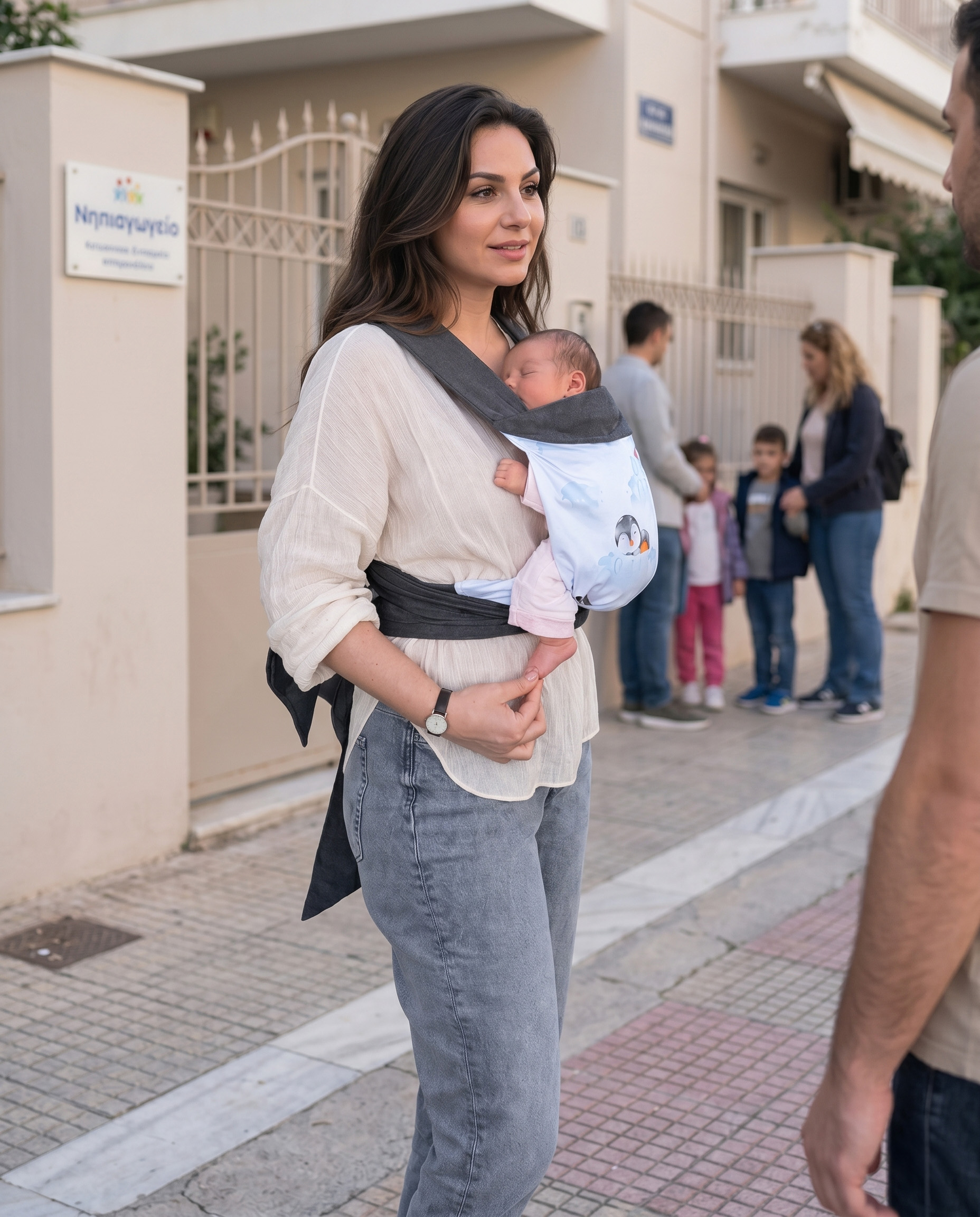
This is where many families find babywearing especially helpful.
When the baby is close to you but your hands remain free, it becomes much easier to:
- hug the older child
- help with clothes or meals
- play together
- hold their hand
Sometimes small practical solutions significantly reduce daily stress.
A Little Jealousy Is Not Necessarily a Bad Sign
This may be the most important point.
Jealousy is an emotion.
And like all emotions, it carries information.
 It often says:
- “I need you.”
- “I’m scared.”
- “I need reassurance.”
A child does not need perfect parents.
They need parents who can see beyond the behavior.
Because many times, behind the words:
“Put the baby down!”
there is a much more vulnerable message:
“Mom, I’m still your child too… right?”